
This site is educational only. It does not diagnose, treat, or replace advice from a qualified health professional.
Weekly routine planning
Build a Pelvic Floor Routine That Fits Your Week
A routine only helps if you actually do it. This page covers how many sessions to plan, where to place them around work and travel, when to rest, and how to remember the whole thing without an app nagging you.
Men's Pelvic Fitness — Jakarta, Indonesia
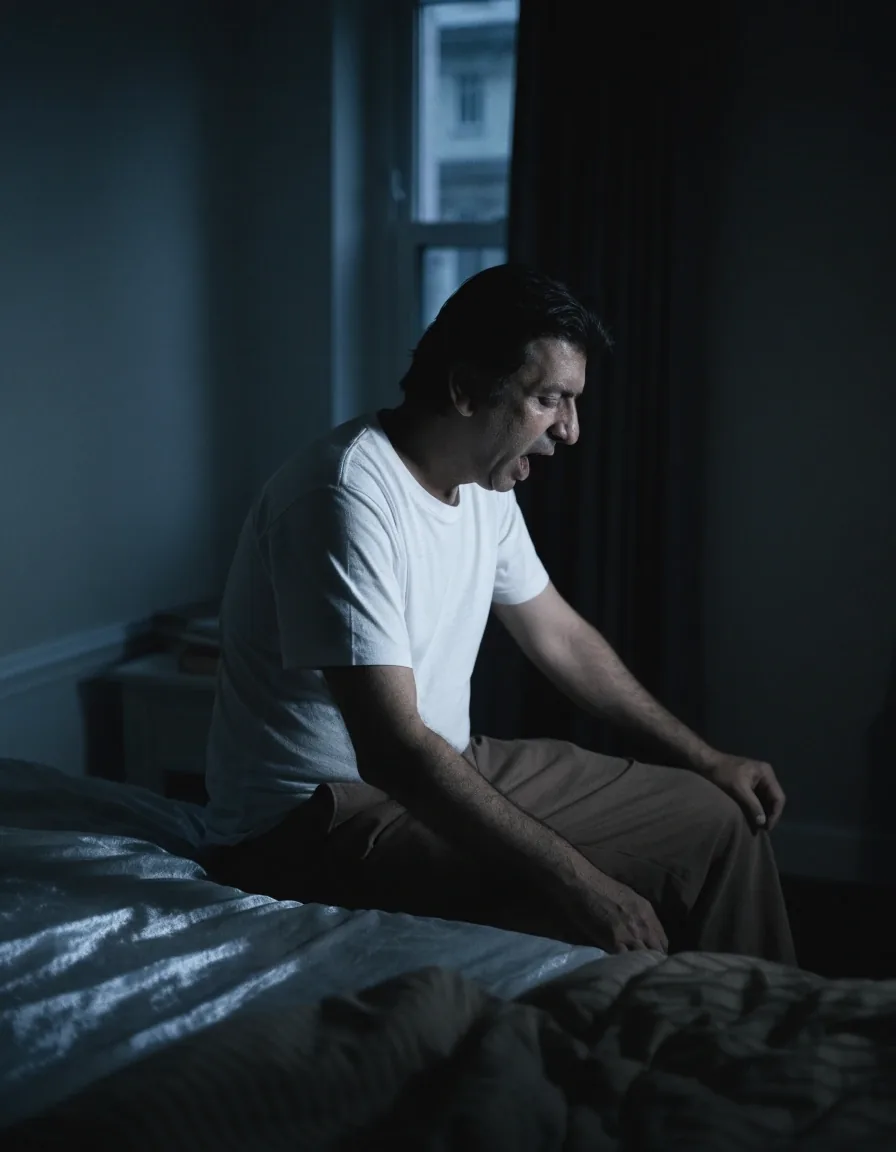
A short set of slow reps in a quiet room is easier to keep than a long one you postpone.
Start smaller than you think
Pick a number of reps you could do on a bad day, not a good one. A short set of slow reps once or twice daily is a common starting point in patient handouts, and it leaves room to grow. Starting at your maximum means the first missed day turns into a reason to quit. Start below it and the routine survives a late meeting or a rough night's sleep.
Pick the bad-day number
Choose the count you can finish on a tired Tuesday. That is the number the routine is built on, and everything above it is optional extra.
Keep the set short
A handful of slow hold-and-release reps takes under two minutes. Short is what lets it fit between a meeting and a commute.
Let it stay small
Growing the routine is a later decision. In the first weeks the useful skill is remembering to do it, not doing more of it.
Anchors that hold
Anchoring sessions to things you already do
Habit research aside, the practical trick is to attach the session to something that already happens without fail. Brushing your teeth in the morning is a common one. Sitting down at your desk is another, and it works well with seated practice because nobody notices. Pick two anchors, one early and one later in the day, so a single missed moment does not wipe out the whole day.
Write the two anchors down somewhere you will see them in the first week. After that they tend to hold on their own, because the cue is the action rather than a notification.

A morning sink visit already happens every day — that is why it works as a cue.
A sample week
Two rest days are built in on purpose. If you feel good on a rest day, that is not a signal to add a third session; it is the point of the rest. Treat the plan below as a shape to copy, not a schedule to defend.
Five short practice days, two rest days. Positions rotate so the same seat does not carry the whole week.
Monday
Lying down
Short set lying down, morning. Flat on your back with knees bent keeps the contraction easy to locate.
Tuesday
Seated
Same set seated at your desk. Feet flat, back against the chair, breathing steady through the hold and release.
Wednesday
Rest
Rest from structured reps; keep the breathing cue in mind during the day. No counting, no set.
Thursday
Lying down
Short set lying down, morning. Repeat Monday's count rather than adding reps.
Friday
Seated + standing
Seated set, plus a few standing reps if the movement feels clear. Standing works while waiting for a lift or a kettle.
Saturday
Rest
Second rest day. Use it as a normal Saturday; the routine resumes tomorrow.
Sunday
Easiest position
One short set in whichever position feels easiest that day. Keep the count the same as the weekday sets.

Fitting it around work and travel
Have a fallback position for disrupted weeks
Seated practice is the most portable option, which matters if you commute, travel between cities, or work in an office where stepping away is awkward. Standing reps can be done while waiting for a lift or a kettle to boil. Lying-down practice needs a bit of privacy, so most people keep it at home at the start or end of the day.
Having a fallback position means a disrupted week does not become a stopped routine.
Reminders that do not become noise
Phone reminders work for some people and get ignored by most within a fortnight. A physical anchor, such as keeping a note near your toothbrush, tends to last longer because it is attached to an action rather than a notification. If you do use a reminder, set one for the anchor moment rather than for the exercise itself. Two quiet prompts are usually enough.
If the prompts start feeling like clutter, delete one rather than both. Keeping a single reliable cue is more useful than two you swipe away.
A relaxed hand and a quiet room are all this practice needs to start with.
Rest days are part of the plan
Pelvic floor muscles respond to regular practice, not to exhaustion. A rest day is not a gap in the programme, it is what lets the next session be clean. This is different from how people usually think about training a muscle for strength, and it is worth accepting early. If a rest day leaves you feeling like you have fallen behind, the routine was probably too large to begin with.
What a rest day looks like
No set, no rep count, no position practice. Keep the breathing cue in mind if it comes up naturally and otherwise leave it alone.
Feeling good is not a reason to add
If Saturday feels easy, that is the rest working. Adding a third session turns the plan into something you have to keep up with.
When the routine should change
Add reps when the set feels controlled from start to finish, and step back when the last few are strained.
Change position when the contraction is easy to find where you are. Pause structured reps entirely if you feel pain, and get that looked at rather than working around it. The routine is meant to serve you, not to be completed for its own sake.
Keeping track without obsessing
A simple note of which days you practised is enough. Tracking rep counts in detail tends to turn a short routine into a project, and the value of this practice comes from it being unremarkable. If you want a record, one line per day will do.
A record that stays useful
Write the day and a single word for the position you used. Anything longer turns into a spreadsheet, and a spreadsheet is the first thing you stop opening on a busy week.
Where to go next
Common questions about the routine
How many days a week should I practise?
Many handouts describe daily or near-daily short sessions with rest built in. The sample week on this page uses two rest days and keeps every session short.
What happens if I miss a week?
Resume on the next day rather than doubling up. Trying to catch up usually leads to strained reps and then to stopping altogether.
Can I practise in the office without anyone noticing?
Yes. Seated practice is internal and quiet, which is why it is the usual option for a working day.

Start this week
Pick two anchors and one short set for tomorrow
That is the whole plan for the first week: two moments you already have, one set you could finish on a bad day, and two rest days waiting at the end of it. Add nothing until the first week is done.
Questions about your own situation belong with a qualified health professional. You can also reach us Monday to Friday, 9:00 AM – 6:00 PM (WIB) at [email protected] or +62 21 573 1838.
Where we are
Jl. Kemang Raya No. 28, Bangka, Mampang Prapatan, Jakarta Selatan, DKI Jakarta 12730, Indonesia
Monday to Friday, 9:00 AM – 6:00 PM (WIB)
Contact page has the full details and a form.
Before you start
This page describes general practice habits and is not a personal programme. If you have had pelvic or prostate surgery, feel pain during or after a session, or notice a change in bladder or bowel control, speak to a qualified health professional before continuing with structured reps. Nothing here is a promise about what a routine will do for you.